Become Michael Jordan

Todays post will be a short summary of the book Mindset by Carol Dweck. I came across this book the other week while browsing through amazon looking for something to read turing quarantine. 

The world renowned psychologist Carol Dweck  did decades of research on achievement. She was especially interested in how people cope with failure. One early experiment involved giving ten year old children puzzles. She started giving them fairly easy ones and then gave them harder and harder tests. Confronted with the problem a child cried out ”I love a challenge” another said ”I hoped this would be informative”. Carol as many others always thought you coped with failure or you didn’t. The idea of someone loving failure was totally unknown. The kids didn’t even seem to view it has failure, more like learning. There has for a long time before Dwecks book been the understanding that human qualities were set in stone, you were smart or you are not, failure meant you were not. But this kids viewed it differently, they believed in perseverance and trying, or simply put they believed you could be smarter. 

From this Dweck came up with the idea that there are two different mindset, fixed minset and growth mindset.

Believing that your qualities are set in stone is part of the fixed mindset. People with a fixed mindset seems to avoid challenge and give up more easily. They believe that either you have it or you don’t and a failure means you don’t have it. Ont the other side we have people with a growth mindset. They see their qualities as something that can evolve and grow, it’s not set in stone. They don’t see failure as proof that they are not enough, they see it as a way to learn and improve. What kind of mindset do you have? What of the two resonates with you? Most of us have a little bit of both in us, I for one can relate to one or the other depending on the situation. 

growth mindset

Let’s look at some examples from the world of sports. If we look at Michael Jordan, by many viewed as the best basketball player of all time. He wasn’t a natural, he was perhaps the hardest working athlete in the world. It’s well known that he got cut from his varsity team, wasn’t recruited by the college he wanted to play for and finally wasn’t drafted by the two NBA teams that could have taken him first. It’s easy tom imagine that he was always MICHAEL JORDAN greatest of all time, but one time he was just Michael Jordan. When cut from the varsity team he practiced every morning for three hours before school. He had a growth mindset, he knew he could improve and become the best. 

So finally, what can we do to engrave growth mindset into ourselves?

First it helps just knowing about the two mindsets. Second we need to praise more wisely. Our praise should encourage the hard work and the problem solving that lead to the result, not just praising the end state. Doing this will in the long run make you and the people around you lean in into the growth mindset. 

If any of this sounded interesting I highly recommend reading Dwecks book Mindset!

// Stay safe, Lukas 

What makes a coach great?

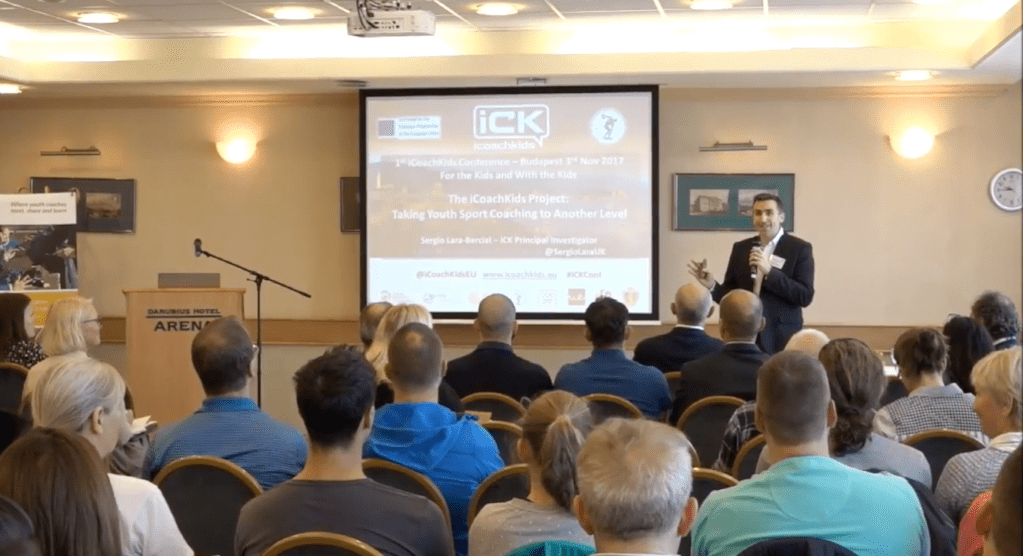
We have all had good and bad coaches, I’m sure many of you could relate to the last post. But if we would like to dwell deeper into the subject, what makes the best coaches so good. I came across an article the other day that I really felt explained and highlighted what we can learn from great coaches. Sergio Lara Bercial did a study between the 2012 London and the 2016 Rio Olympiads where she followed closely 17 different coaches(10 sports, 10 countries) and their 23 athletes. All of the coaches had before this study coached at least one athlete to a gold medal in previous Olympiads. 

I must confess that I before reading the article that I had some preconceived ideas of what these people might be like. Too many sports movie had me believe that these people would be egoistic individuals who would stop at nothing to get that silverware. Yes, these successful coaches had a passion for winning and set high demands, but they also cared deeply for their athletes wellbeing. The term used by Lara Bercial is Driven Benevolence. The definition: ”The relentless pursuit of excellence balanced with a genuine desire to compassionately support athletes and oneself. ”

What Lara Bercial found out what that no coach was the other alike completely, to no surprise, but that there were some characteristics every coach possessed. Everyone possessed the drive and benevolence. The drive can be categorized into 5 parts. 

If you wanna read Lara Bercials article for yourself it’s here

1.Unwavering high standards. The demand for nothing but the best in everything allt the time came second nature for the coaches. The coaches also lad by example, first to arrive, always prepared for the day and the last on to leave. No blunders, what can be perfect will be perfect. 

2.Elevated sense of purpose and duty. Everyone expressed a clear notion that what they did was bigger than themselves. There is pride in representing a nation, even though you might be born elsewhere and have another on your passport. The sense of duty also involved the athletes hopes and dreams, The coaches knew they themselves might have another shot of coaching someone to glory, the athletes might only have on chance and coaches felt they were duty bond to do the best or them. 

3.Pathological desire to win. All coaches wanted to win, not tomorrow but today, every day. Some were driven by a need to prove themselves, others wanted some kind of revenge or constellation for losing out in their own careers. 

4.All-in commitment. A great coach doesn’t deal in half-measures. They have all take great risks to get into the position they’re in. All are aware how tiny the margins are between victory and defeat, they also know that things move fast in high performance sport. That’s why they give it all they got, cause tomorrow they might not have a chance anymore. 

5.Vision. Coaches are able to look far into the future and plan ahead. They know which date the big competition is and they know exactly what to do so their athlete will perform at maximum on that date. 

That was the first part of the driven benevolence. The second part, benevolence, is just as important. No one cares how much you know until they know how much you care. Benevolence in the coaches can be categorized into 3 parts. 

1.People first. The coach always acts with the athletes best interest at heart. There is also a deep underlying respect for the human being. The athletes would all testify to the importance of feeling cared for and respected by their coach. 

2.If you want to be understood, first seek to understand. The aim for every coach was to truly know his athletes. If you will be asking incredible things of them you better understand them at a deeper level, what drives them, what worries them and what makes them happy? 

3.The sun will rise again. Becoming a serial winning coach requires years of hard work. You have to deal with numerous setbecks and obstacles. The advice seems to be to have a relatively flat emotional respons to success and setbacks. Thanks for reading this post, hope you find it has interesting has I did. If you wanna read the entire article by Lara Bercial I will link it in the end. I will finish this off by leaving you with a quote from one of the Italian master coaches.

”It’s hard to be successful if you drink champagne at every win and mount for a month when you lose.”

See you soon! 

// Lukas

Video presentation with Lara Bercial on coaching

The good and the bad

I think the most important thing when you’re doing a sport or just learning in general is relationship to the teacher/coach. They are the one who should motivate and support you the most. But there is a chance that you might not get along with your coach and unfortunately it can affect your attitude about the sportier task. But you can’t forget that maybe you don’t have a problem with the whole thing, you just have to find another person who you feel better with and who can help you develop. 

Now I want to share my two different experiences with a really good and a not so good coach and I hope my experience can help highlight how important the teachers role is. 

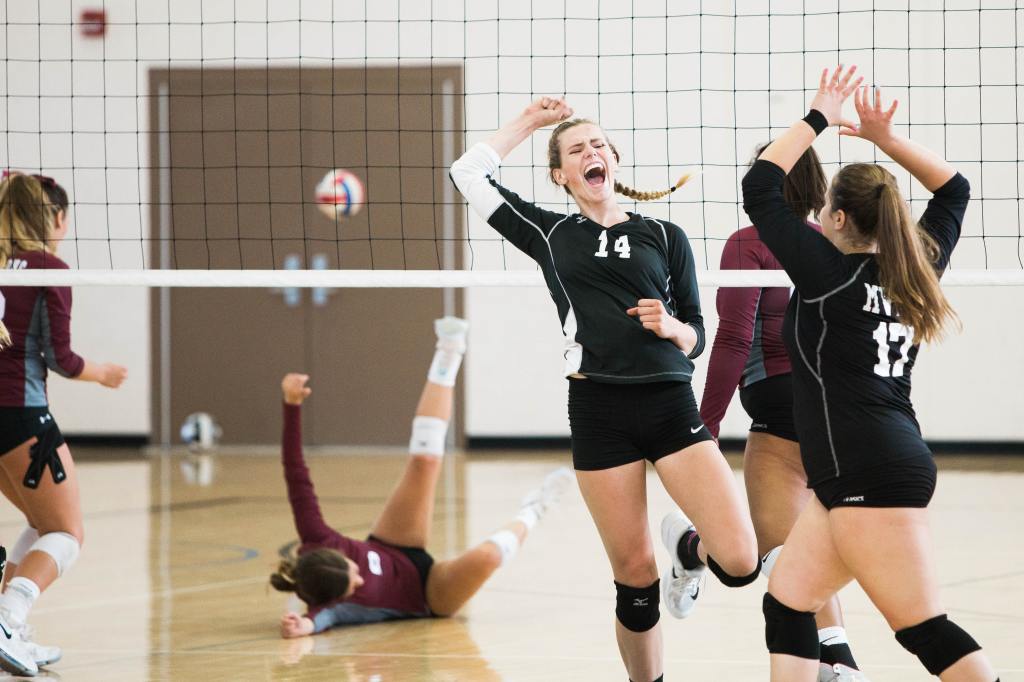
As you might already know I played volleyball for five years and those years were my best experience in doing a sport and that’s all because my coach and the other players. I was 10 years old when I started it and first I didn’t want to. My parents said that I should start to do a sport because I liked to move and they said it’s important to do something more often. First I said no and now I don’t really remember the reason I had for refusing. But they convinced me to at least try it and if I don’t like it I can stop and leave it. So i started. Our coach was a professional player in the Hungarian first division. I was a bit weak and also a small kid so in the first weeks it hurt when I hit the ball because sometimes you have to hit it really hard to sent it over to the other side. Especially when you open a new play round. But she taught us that sometimes (most of the times) you have to use technical moves instead of hitting hard. I started to enjoy the sport so I wanted to continue. As time went by I felt that I can share everything with my coach, if I had a bad day I could talk with her, she knew all of us so well and let us know her well too so we didn’t feel uncomfortable talking to each other. And it’s affected our motivation to go on the trainings and play better as a team and as individuals too. 

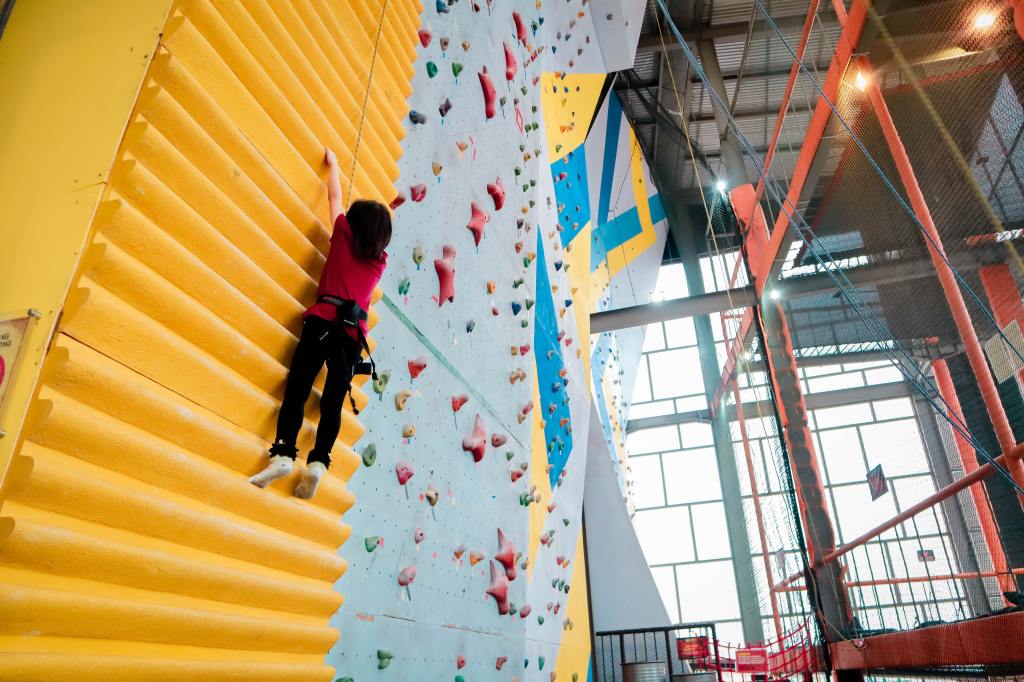
But as I said I’ve had bad experiences with a coach too. Now I have to mention that she wasn’t really a bad one, nothing serious happened it could be much worse. It was just not what I wanted and what I needed. So after I finished playing volleyball I started to go on wall climbing trainings just all by myself, just as a hobby. But I started to really enjoy it and became more interested in the sport and in the whole mountain climbing thing. I had a really good coach but he left for a new job so I had to find a new one. So I decided to find a trainer who can help me doing it in at a more serious and professional level. The new one was a kind young girl but she just recovered from a surf accident and got back to the training one month ago before she started to train me. So from the very beginning she just trained herself to get back her condition and barely trained me. She just created a route for me what I had to climb while she can climb too and asked me to tell her when I finished. Because I was left alone of course I didn’t learn too much techniques from her. After one month I finally realized that it’s not okay and I should leave it. I continued wall climbing but I lost a lot of motivation and after some months training myself I gave up the goal that I can do it professionally. Of course I still had the choice to look after another coach and don’t give up but unfortunately I can lost my motivation easily. Today I regret not trying to find someone else to help me. 

So if you’re in a similar situation and you still love the sport, don’t give up and find someone who can give your their maximum. As long as you have someone who cares about you and puts your wellbeing first, the rest usually falls into place. 

Here’s a quick video with some easy tips I wished my coach could have given me!

Comment below what you think makes a good coach!

Next week we will talk more about what signifies a good teacher. Then we will look at I from a more professional viewpoint and try to learn from the absolut best.

Until next time! 

// Stay safe, Emoke